Follow Me On Social Media!

Mango Juice Recipe: The Best Homemade Refreshing Delight

Introduction to Mango Juice Recipe
There’s something undeniably magical about a mango juice recipe. It transforms the luscious, tropical flavor of fresh mangoes into a refreshing beverage that sparkles with sunshine and good vibes. Picture this: it’s a warm afternoon, and you’re lounging on your balcony, savoring the sweet aroma of ripe mangoes wafting through the air. With just a few simple steps, you can create a drink that not only quenches your thirst but also transports you to a tropical paradise.
Why homemade mango juice is a refreshing treat?
Making mango juice at home allows you to control every aspect of your drink—from the sweetness to the thickness. There’s a rich satisfaction that comes from crafting a beverage that’s made solely with fresh ingredients. Plus, consider this: the process of making your own juice can be a fun culinary adventure! Whether you’re whipping up a batch for a sunny gathering or enjoying a solo moment of indulgence, homemade mango juice is always a good idea.
- Flavor Palette: Using ripe, seasonal mangoes means your juice will have a depth of flavor that store-bought varieties simply can’t match. Each sip is a burst of sunshine!
- Health Benefits: Mangoes are packed with vitamins A and C, potassium, and antioxidants. Making your juice means you’re not just enjoying a delicious drink; you’re also fueling your body with nutrients.
- Customization: Want a tangy twist? Add a squeeze of lime. Prefer it sweeter? A dash of honey will do the trick. The world of mango juice is your oyster!
Creating your own mango juice recipe empowers you to experiment and discover new flavor combinations. It’s a simple yet delightful process, and once you try it, there’s no going back. So, get ready to enjoy the vibrant taste of freshly squeezed mango juice—your taste buds will thank you!
Key Ingredients for Mango Juice Recipe
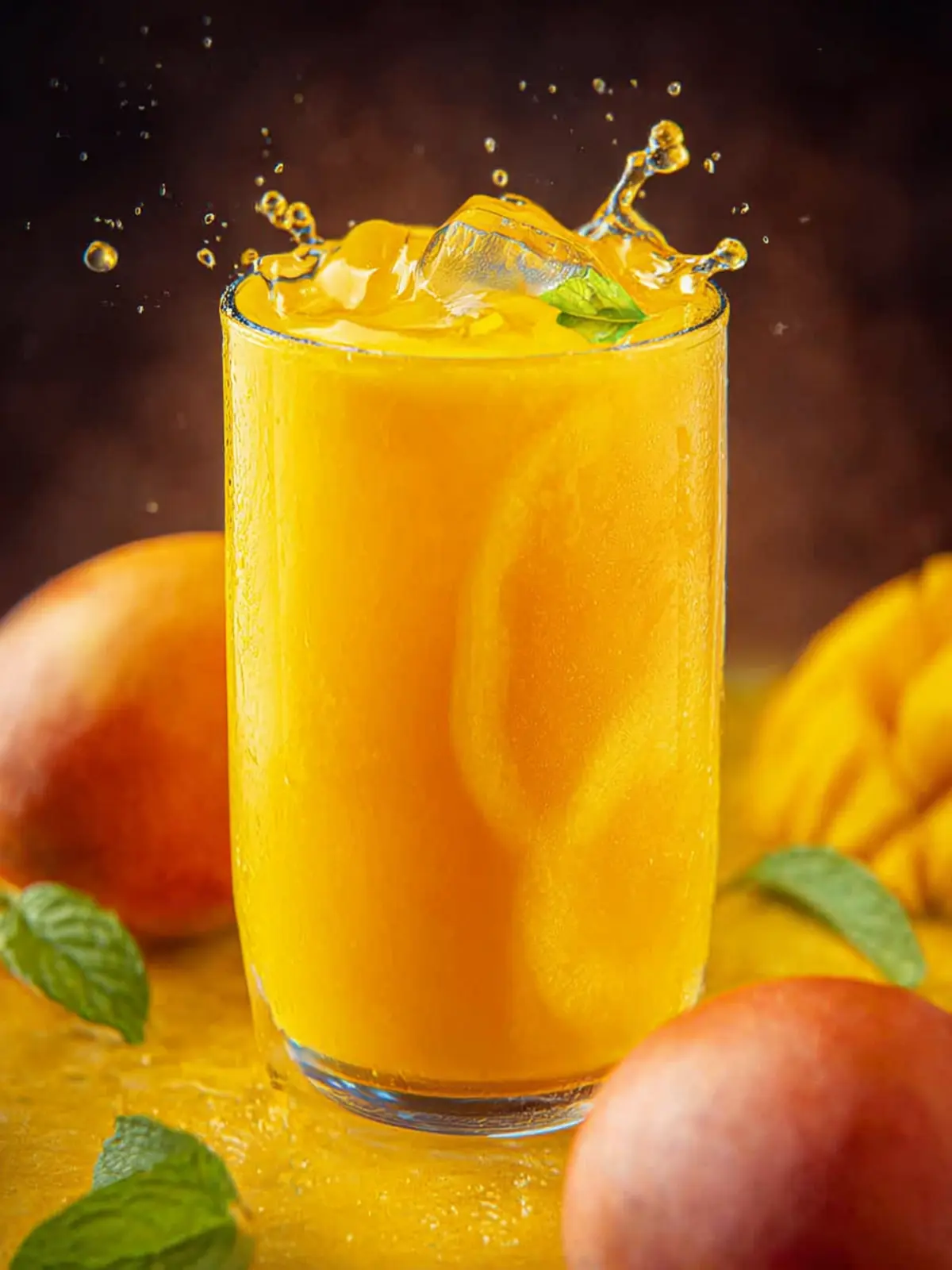
Creating the perfect mango juice recipe begins with selecting high-quality, fresh ingredients that enhance its vibrant flavor profile. Let’s explore what you’ll need to bring this refreshing drink to life.
-
Mangoes: Start with ripe, juicy mangoes. I recommend using Alphonso or Haden varieties for their sweetness and rich flavor. Avoid overripe or under-ripened fruit, as they can alter the taste of your juice.
-
Water: Adding water helps to achieve the desired consistency. Use chilled water for a refreshing touch, especially on a hot day. You can also use coconut water for an extra tropical flair!
-
Lime Juice: A splash of fresh lime juice brightens up the mango juice with its zesty kick. The acidity balances the sweetness of the mangoes beautifully.
-
Sugar: Depending on your preference, you might want to add a little sugar to enhance the sweetness. I suggest starting with a teaspoon and adjusting to taste.
-
Ice Cubes: For a truly refreshing experience, don’t forget about ice cubes! They chill the juice perfectly, making every sip feel like a mini-vacation.
With these key ingredients, you’ll set the stage for a deliciously satisfying mango juice recipe that you can enjoy any time.
Why You’ll Love This Mango Juice Recipe
Nothing quite matches the refreshing taste of a mango juice recipe made from ripe, succulent mangoes. Imagine standing in your kitchen, the sun streaming in, and the sweet aroma of fresh mangoes filling the air. This is more than just juice; it’s a taste of summer, no matter the season.
The Benefits of Homemade Drink Options
Embracing homemade drinks like this mango juice doesn’t just tantalize your taste buds; it’s a health-conscious choice that empowers you to take control of what you consume. Here’s why you’ll appreciate this DIY option:
-
Freshness Guaranteed: When you make your own mango juice, you can be sure it’s made with the freshest ingredients. Store-bought options often contain preservatives or added sugars, whereas your homemade version is pure, vibrant, and natural.
-
Customization is Key: Do you prefer your juice a bit tangy or extra sweet? With a homemade recipe, you can adjust the sweetness to your liking. Add a dash of lime for tang, or a hint of ginger for a unique twist!
-
Health Benefits: Fresh mangoes are loaded with vitamins A and C, offering vital nutrients that support your immune system, skin health, and overall vitality.
-
Sustainability: By choosing to make your juice at home, you reduce packaging waste associated with store-bought beverages—making your refreshment not only delicious but eco-friendly.
Incorporating this mango juice recipe into your routine is not just about quenching your thirst; it’s about enjoying the process and the benefits of creating something truly delightful.
Variations on the Classic Mango Juice Recipe
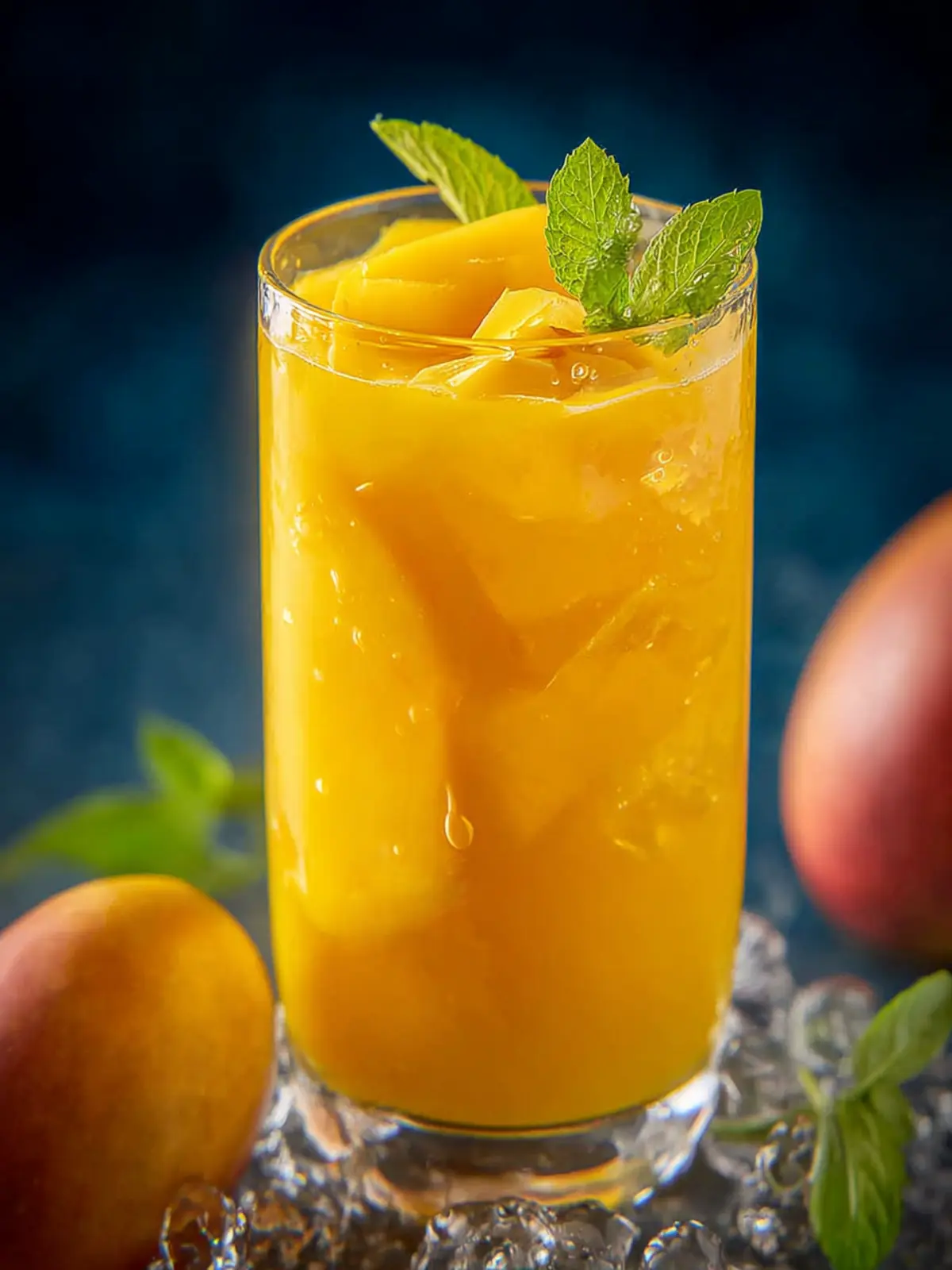
Transforming a classic mango juice recipe opens the door to a world of flavor. Imagine sipping on a refreshing drink that embodies more than just the traditional blend of mango, water, and sugar. Here’s how you can elevate your mango juice experience with some exciting twists.
Flavor twists you can explore
-
Mango and Mint Fusion: Add a handful of fresh mint leaves to your juice blend. Mint complements the sweetness of mango and brings a refreshing coolness, perfect for hot summer days.
-
Spicy Mango Kick: For those who enjoy a bit of heat, consider adding a pinch of cayenne pepper or some finely chopped jalapeño. This contrast of spicy and sweet will tantalize your taste buds and surprise your guests.
-
Creamy Coconut Delight: Blend in some coconut milk for a tropical twist. This rich addition gives your mango juice a creamy texture that’s reminiscent of a beach vacation.
-
Zingy Citrus Burst: Incorporate the juice of a lime or lemon to add a zesty brightness to your mango juice. The acidity will balance the sweetness of the mango and make the drink even more refreshing.
-
Berry Blend: Combine mango with other fruits, like strawberries or blueberries. This not only enhances flavor but also boosts the nutritional value, making your juice colorful and delicious.
By experimenting with these variations, you’ll discover new favorites and keep your mango juice recipe from becoming ordinary. Each sip tells a story of creative flavor combinations, making your hydration game just a bit more exciting!
Cooking Tips and Notes for Mango Juice
Creating the perfect mango juice recipe is not just about blending ingredients; it’s also about maximizing the flavor and freshness of your mangoes. Here are some tips to ensure each glass is a refreshing delight.
Getting the most out of your ingredients
-
Selecting Mangoes: Choosing the right mango is crucial. Look for ripe, sweet mangoes without bruises. The Vellore or Alphonso varieties are stellar choices, offering juicy sweetness. A ripe mango should yield slightly to pressure—a sign of perfect ripeness.
-
Preparing for Blending: Before you cut the fruit, wash it thoroughly. This will remove any pesticides or residues. When peeling, use a sharp knife to avoid any waste and maximize the juicy flesh you want to extract.
-
Temperature Matters: For an extra-refreshing drink, chill your mangoes and any added water beforehand. This will give your juice a more satisfying coolness, perfect for hot days.
-
The Magic of Additional Flavors: Sometimes, a splash of lime juice can elevate your mango juice recipe. It adds a zesty punch and balances the sweetness beautifully.
-
Straining for Smoothness: If you prefer a smoother texture, consider straining the juice after blending. This step allows you to enjoy a silky finish, leaving out any fibrous bits.
Taking these extra steps can transform your mango juice recipe into something truly special. Happy blending!
Serving Suggestions for Mango Juice
A well-made mango juice recipe can truly shine with a few thoughtful serving suggestions. Imagine sipping on a refreshing glass of vibrant mango juice while basking in the sun or enjoying a cozy evening with friends. By focusing on presentation and pairing, you can elevate the experience from simply quenching your thirst to creating a memorable occasion.
How to elevate your presentation
-
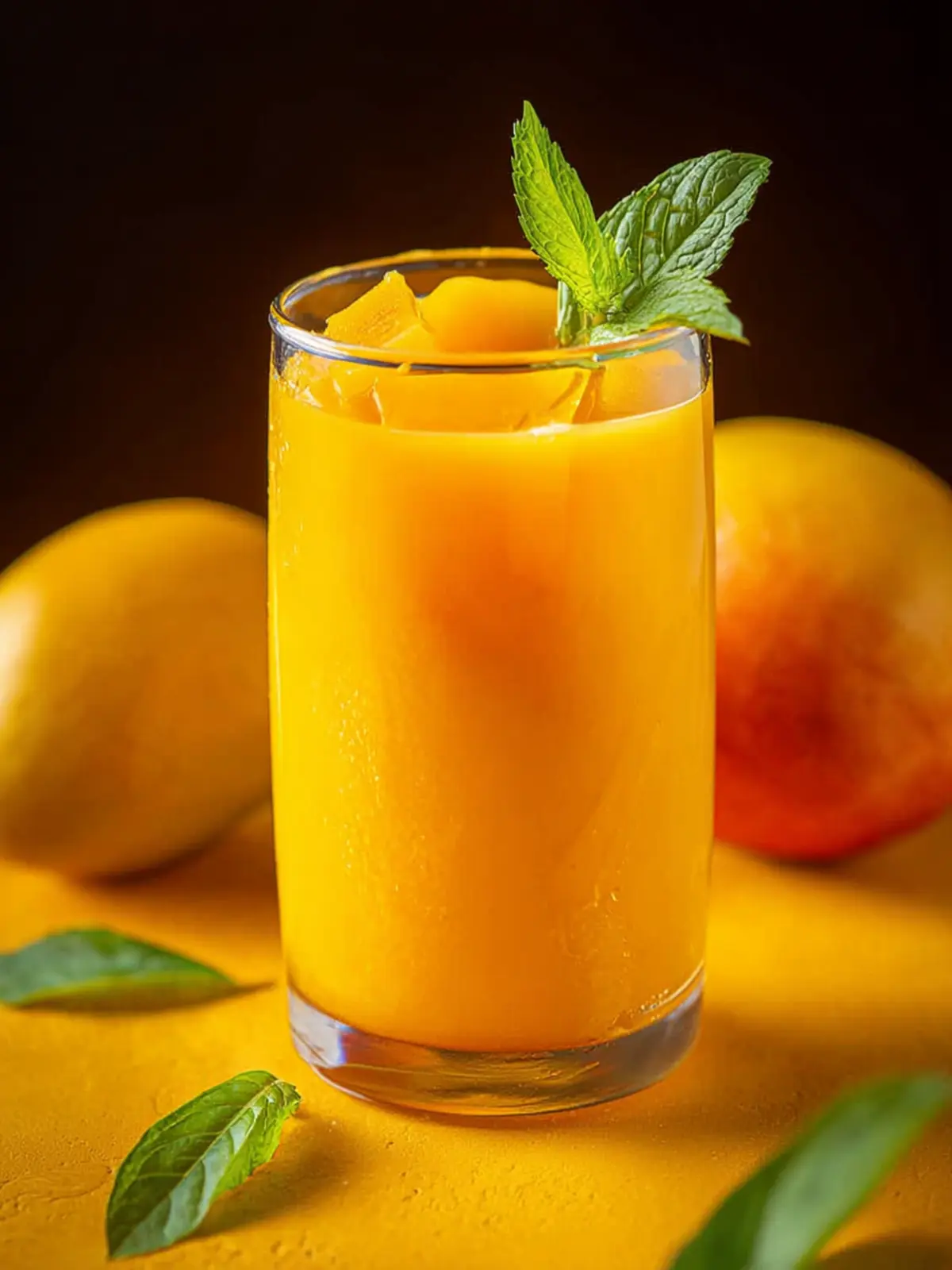
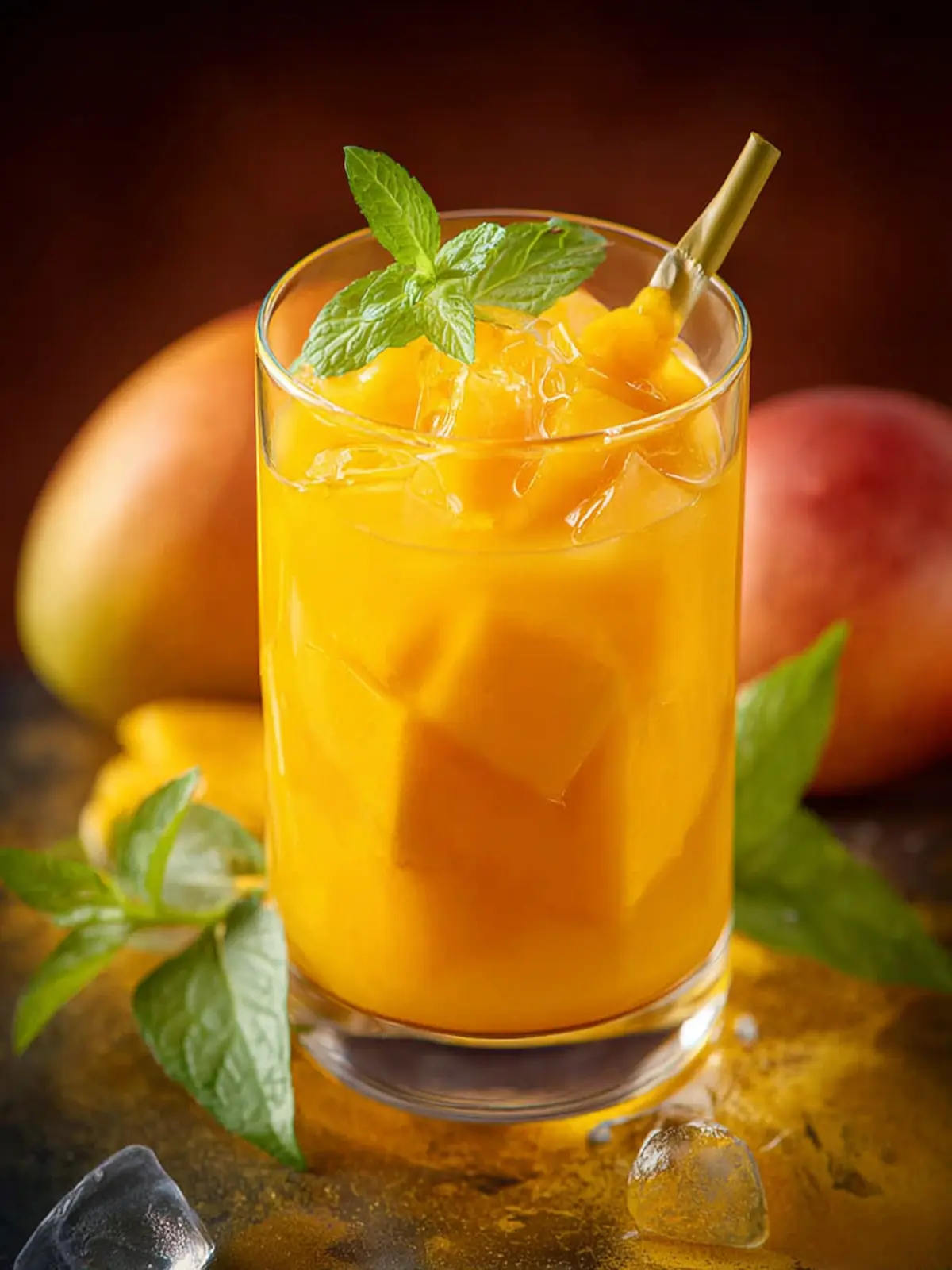
Glassware Matters: Serve your mango juice in elegant glasses, such as tall, frosted tumblers or chic stemware. The clear glass allows the rich, golden hue of the juice to catch the light, creating an inviting visual.
-
Garnish with Freshness: Consider garnishing each glass with a slice of fresh mango on the rim. A sprig of mint or a sprinkle of lime zest adds a pop of color and freshness that enhances both the flavor and look of the juice.
-
Creative Ice Cubes: For a fun twist, freeze small bits of mango or mint leaves in your ice cubes. As they melt, they’ll provide an extra burst of flavor while keeping the juice cool.
-
Pair it Up: Complement your juice with a light snack. Think of crispy tortilla chips with mango salsa or a refreshing fruit salad. This not only makes for a balanced snack but creates an enjoyable brunch or snack time.
By incorporating these simple yet effective serving ideas, your mango juice will be more than just a drink; it’ll be an experience!
Time Breakdown for Making Mango Juice
Creating a refreshing mango juice recipe doesn’t take long. In about 15-20 minutes, you can whip up this delightful beverage that captures the essence of sunny summer days. Let’s break down the time needed for each step.
Preparation Time
Gathering your ingredients and prepping your mango takes around 5-10 minutes. You’ll need to peel, pit, and chop the mangoes, so having a sharp knife handy is essential!
Blending and Straining Time
Once everything is ready, blending your ingredients will only take about 5 minutes. If you prefer a smoother texture, straining the juice may add another 5 minutes to remove any pulp.
Total Time
In total, you can expect to spend roughly 15-20 minutes from start to finish. Just think—within this short time, you could enjoy a glass of homemade mango juice that’s bursting with flavor!
Nutritional Facts for Mango Juice
Creating a delectable mango juice recipe not only fills your glass with sweetness but also offers a range of nutritional benefits. Here’s a closer look at what this tropical delight brings to your table.
Caloric Content
A typical serving of fresh mango juice contains about 130 calories. This relatively low calorie count makes it an appealing choice for those looking to hydrate without compromising their diet.
Vitamins and Minerals
Mango juice is a powerhouse of essential nutrients:
- Vitamin C: One serving can provide up to 100% of your daily value, boosting your immune system and skin health.
- Vitamin A: Important for vision and skin, promoting overall wellbeing.
- Folate: Aids in cell division and is especially vital during pregnancy.
- Potassium: Helps regulate blood pressure and supports heart health.
Indulging in this delicious juice not only satisfies your taste buds but also nourishes your body—what’s not to love?
FAQ about Mango Juice Recipe
Crafting the perfect mango juice recipe not only satisfies your cravings but can transport you to sun-soaked tropical beaches. Whether you’re preparing for a summer gathering or just enjoying a quiet moment, the right questions can enhance your juicing experience.
Can I adjust the sweetness of my mango juice?
Absolutely! The beauty of a homemade mango juice recipe lies in its flexibility. If your mangoes are particularly sweet, you might find that you don’t need any additional sugar. However, for those who prefer a bit more sweetness, consider adding:
- Honey or Agave: Start with a teaspoon and adjust to taste.
- Sugar: Granulated or brown sugar can bring that extra oomph; just dissolve it in a bit of water first.
- Citrus Juice: A splash of lime or lemon juice can both enhance the sweetness while balancing flavors beautifully.
What’s the best way to store leftover mango juice?
Storing leftover mango juice properly can keep it fresh for a few days. Here’s how:
- Refrigerate: Pour the juice into an airtight container, leaving a little space at the top for expansion. It should last about 3–5 days in the fridge.
- Freeze: If you want to preserve the juice for longer, pour it into ice cube trays. Once frozen, transfer the cubes to a zip-lock bag; you can pop them into smoothies or use them to make future juices.
Can I use frozen mangoes for this recipe?
Using frozen mangoes can be a convenient alternative, especially if fresh mangoes aren’t in season. Just consider these points:
- Quality: Opt for high-quality frozen mangoes, ideally without added sugars or preservatives.
- Texture: While fresh mangoes provide a smooth texture, frozen mangoes may yield a drink that’s icier. If you prefer a more liquid consistency, blending in a bit of water or coconut water can help bring back that juiciness.
With these tips, your mango juice recipe will be a delightful experience, every time!
Conclusion on Mango Juice Recipe
Homemade mango juice brings a wave of joy and tropical vibes to your kitchen. By crafting this delightful beverage yourself, you control the ingredients and ensure the freshest flavors. Picture yourself on a sun-drenched day, sipping on a cold glass of pure mango bliss made from ripe, luscious fruit. Not only is this mango juice recipe incredibly simple, but it also invites creativity—feel free to customize it with other fruits or a hint of spice. So, gather your ingredients, blend away, and enjoy the satisfaction of making your very own refreshing drink. Cheers to your new favorite summer treat!
Print
Mango Juice
- Total Time: 10 minutes
- Yield: 4 servings 1x
Description
A refreshing mango juice made with ripe mangoes and a hint of sweetness.
Ingredients
Scale
- 2 cups peeled and chopped ripe mangoes (approximately 2 large mangoes)
- 2 tablespoons granulated white sugar
- 2 cups water
Instructions
- Add mangoes and sugar to a blender jar or a food processor and blend until smooth.
- Pass the mango pulp through a fine-mesh strainer.
- Add water and stir well until combined.
- Pour the juice into serving glasses, add a few ice cubes and serve chilled.
Notes
- For a thicker juice, reduce the amount of water.
- Serve immediately for the best flavor.
- Prep Time: 10 minutes
- Category: Beverages
- Method: blending
- Cuisine: Indian
Nutrition
- Serving Size: 1 cup
- Calories: 120
- Sugar: 24g
- Sodium: 5mg
- Fat: 0g
- Saturated Fat: 0g
- Unsaturated Fat: 0g
- Trans Fat: 0g
- Carbohydrates: 31g
- Fiber: 2g
- Protein: 1g
- Cholesterol: 0mg