Follow Me On Social Media!

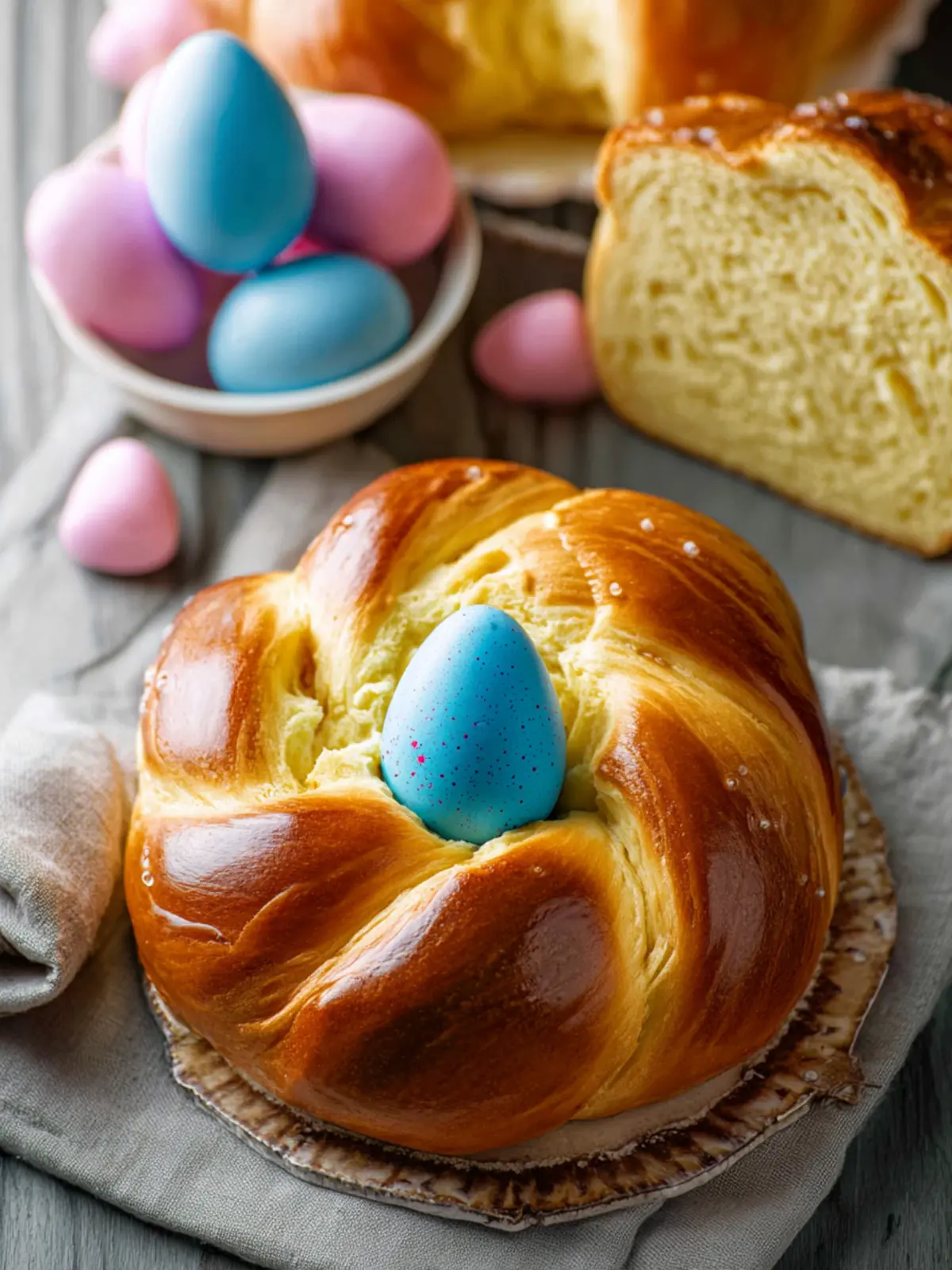
Easter Egg Bread: Indulgent, Sweet Delight for Your Table

Introduction to Easter Egg Bread
Easter Egg Bread isn’t just a treat; it’s a delightful tradition that evokes memories of joyous family gatherings and vibrant spring celebrations. Imagine waking up on Easter morning to the sweet scent of freshly baked bread wafting through the house, ready to be savored during breakfast. This enchanting bread, often braided with beautifully colored eggs nestled within, holds layers of meaning and deliciousness that resonate with cultures around the world.
What makes Easter Egg Bread so special? At its core, this bread is a celebration of life and rebirth, symbolizing the promise of spring and the joy of Easter itself. Traditionally baked in many households, the bread often features a slightly sweet, enriched dough that allows for an array of charming toppings and colorful features. The combination of eggs and bread reflects the renewal of life and the sweetness of family connections, making it a centerpiece at any Easter feast.
As you delve into this recipe, you’ll learn how to create your own version of this playful yet elegant bread. Each bite not only offers a satisfying texture but also serves as a canvas for personal creativity. Whether you decide to dye your eggs in vibrant shades or keep them natural, the final product is as much about your imagination as it is about the ingredients.
This Easter, why not embrace the spirit of tradition with an inviting twist? Crafting Easter Egg Bread will not only bring the aroma of freshly baked delights into your kitchen but also create memories for you and your loved ones that you’ll cherish for years. So, gather your ingredients and prepare to lace your kitchen with warmth, love, and the timeless joy that comes from baking together.
What Makes Easter Egg Bread So Special?
The allure of Easter Egg Bread lies in its rich history and the delightful experience it brings to those who bake and share it. Here’s what truly sets this bread apart:
- Symbolism: The bread is often associated with Easter narratives, making it more than just a meal.
- Flavor: It has a unique blend of sweetness and a slightly enriched texture that is simply indulgent.
- Aesthetic Appeal: The sight of beautifully braided or shaped bread, adorned with colorful eggs, makes for an eye-catching centerpiece.
So roll up your sleeves and let’s embark on this delicious journey together!

Key Ingredients for Easter Egg Bread
Easter Egg Bread takes its cues from tradition and creativity, creating a special treat that usher in the joy of springtime gatherings.
Flour: The foundation of this bread is all-purpose flour, which gives it a lovely structure. Unbleached flour is best, as it provides a heartier texture and slightly richer flavor.
Yeast: Fresh yeast makes a world of difference in this recipe. Its ability to rise quickly adds airiness to the bread, making it light and soft. If you’re using active dry yeast, be sure to activate it in warm water before combining it with other ingredients.
Eggs: The star of our Easter Egg Bread, eggs not only add moisture but also create a rich, vibrant color. Including an extra yolk enhances the tenderness of the dough.
Sugar: A touch of granulated sugar is essential for sweetness, while also helping to activate the yeast. Play around with the amount to suit your taste!
Butter: Using unsalted butter in this recipe is key for that melt-in-your-mouth texture. It should be softened to room temperature to blend seamlessly into the dough.
Milk: Whole milk lends a subtle richness and contributes to the overall softness of the bread. If you’re in a pinch, almond or oat milk can be good alternatives.
Each of these ingredients harmonizes beautifully, creating a delightful Easter Egg Bread that is perfect for your holiday table. Enjoy the process of bringing them together and watch your creation come to life!
Why You’ll Love This Easter Egg Bread
The moment you pull this Easter Egg Bread from the oven, your kitchen will be filled with an irresistible aroma that whispers of spring, family gatherings, and cherished traditions. This delightful bread isn’t just visually stunning, thanks to its colorful eggs nested in rich dough, but it also boasts a unique flavor that will make it a standout centerpiece for your Easter celebration.
A Simple Tradition
Many families have their own version of Easter Egg Bread, and creating this recipe allows you to share in that sweet tradition. Imagine the joy of gathering with friends and family, breaking bread together, and celebrating the season with something homemade. The soft, slightly sweet dough is not just a treat for your taste buds; it’s a warm hug in bread form.
Perfect for Everyone
This recipe is incredibly versatile. Whether you choose to use vibrant dyed eggs or opt for a more rustic look with natural colors, the result is a beautiful loaf that appeals to both children and adults alike. Pair it with buttery spreads, jams, or simply enjoy it on its own.
Bonding Over Baking
Baking together can transform any occasion into a memorable family moment. The process of kneading the dough or letting it rise can be a delightful way to spend time together, making the experience of making Easter Egg Bread one that you’ll cherish long after the crumbs are cleared.
This Easter Egg Bread will soon become a beloved addition to your Easter traditions—all while filling your home with joy and warmth.
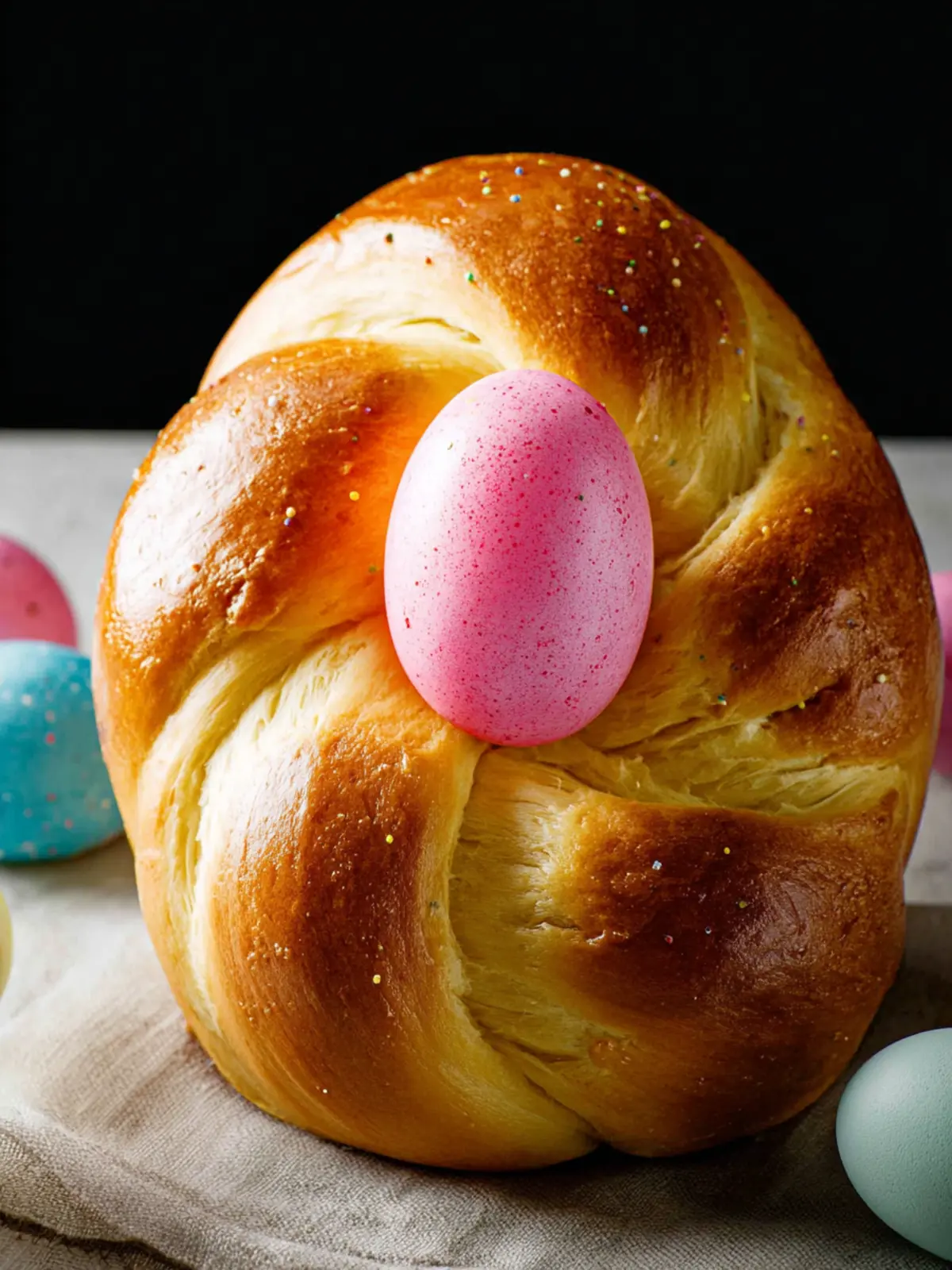
Tips for Making Perfect Easter Egg Bread
Creating the perfect Easter Egg Bread is a journey filled with sweet aromas and joyous memories. Whether it’s a centerpiece at your brunch table or a delightful baked good for gifting, these tips will help you master this treasured recipe.
Choose the Right Ingredients
Selecting high-quality ingredients is crucial. Use fresh eggs for a vibrant color and rich flavor. Opt for whole milk to make the dough tender and moist.
Knead with Care
Don’t rush the kneading process. Knead your dough until it’s smooth and elastic. This might take about 8-10 minutes by hand. If you have a stand mixer, let it do the work for you, but be mindful not to over-knead.
Allow for Proper Rising
Let the dough rise in a warm place, covered with a clean kitchen towel. This can take about an hour or until it has doubled in size. Patience is key; a well-risen dough results in a light and fluffy bread.
Experiment with Flavor
Feel free to experiment with flavors by adding citrus zest or spices like cardamom to your dough. This adds a unique twist to the traditional Easter Egg Bread.
By embracing these tips, you’re not just baking; you’re creating a delicious tradition that can be enjoyed year after year. Happy baking!
Time Details for Easter Egg Bread
When you embark on the delightful journey of making Easter Egg Bread, understanding the time commitment is essential to your success. This enchanting bread, adorned with colorful eggs and imbued with the joys of springtime, deserves your full attention, so let’s break down the timing.
Preparation Time
Set aside about 20 minutes for preparing the dough. This includes mixing your ingredients, kneading, and placing the dough into a bowl for its first rise.
Rising Time
The dough requires a little patience with about 1 hour for initial rising. This is when the yeast works its magic, creating that lovely texture we all adore.
Baking Time
Once risen, the baking process takes about 30 minutes. You’ll know it’s done when the bread has a beautiful golden hue and fills your kitchen with warmth.
Total Time
In total, you’re looking at around 1 hour and 50 minutes from start to finish, before diving into that luscious Easter Egg Bread. Enjoy every moment and the heavenly aroma that fills your home.
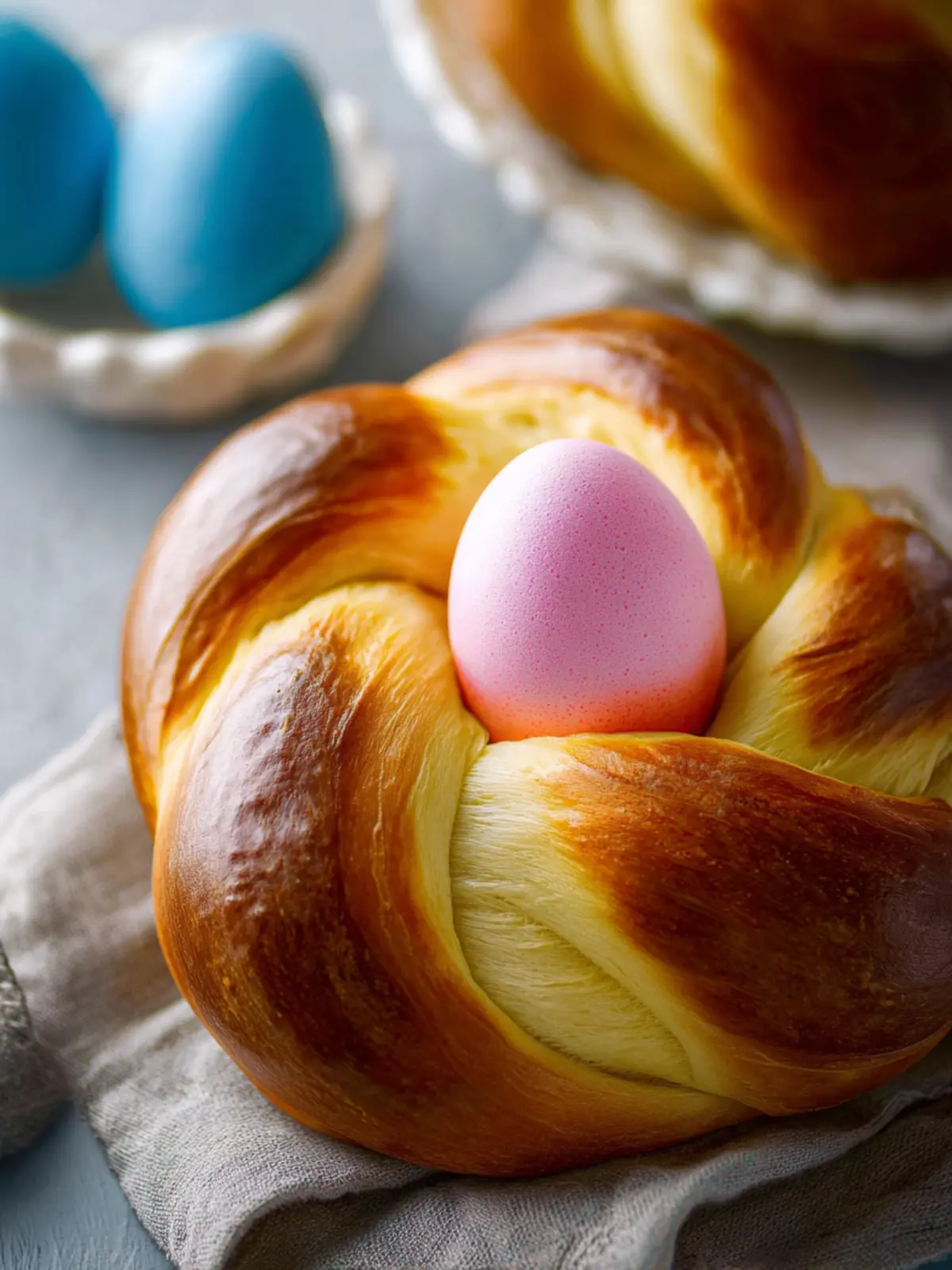
Nutritional Information for Easter Egg Bread
When you think of Easter Egg Bread, it’s not just a delightful centerpiece for your holiday table; it’s also packed with essential nutrients that can complement your festive celebrations. With its soft, airy texture and sweet flavor, this bread offers more than just a treat for the taste buds.
Calories
A slice of homemade Easter Egg Bread typically contains around 200 calories. This delightful indulgence offers a modest calorie count, making it an enjoyable part of your holiday feast without derailing your dietary goals.
Protein
Each slice of this beautiful bread provides about 5 grams of protein. While it’s not a primary protein source, it does give a little boost, especially when paired with some cheese or spread on your plate.
Sodium
In terms of sodium levels, a slice of Easter Egg Bread contains approximately 150 mg. This amount is relatively low, which is great if you’re watching your sodium intake while enjoying your Easter festivities.
Baking this traditional bread not only creates wonderful memories but also nourishes you in the process!
FAQs about Easter Egg Bread
Easter Egg Bread is more than just a delightful treat for the holidays; it’s a heartwarming tradition that carries personal memories and adds a festive touch to any table. As you prepare your Easter Egg Bread recipe, it’s natural to have questions about caring for this beautiful loaf. Here are some frequently asked questions to help guide you:
What is the best way to store Easter Egg Bread?
To enjoy your Easter Egg Bread at its freshest, storage is key. After it has cooled completely, wrap the bread tightly in plastic wrap or place it in an airtight container. Store it at room temperature for up to three days. If you notice any signs of staleness, consider toasting slices lightly for a delicious crunch that revives its flavor.
Can I freeze Easter Egg Bread?
Absolutely! Freezing is a great option if you want to save some for later. Just slice the Easter Egg Bread before freezing, which makes it easier to grab a slice whenever you crave it. Wrap the bread tightly in plastic wrap and then place it inside a resealable freezer bag. It can be stored in the freezer for up to three months. When you’re ready to enjoy it, let it thaw at room temperature or warm it in the oven.
What can I use instead of eggs in this recipe?
If you prefer to skip eggs in your Easter Egg Bread, you can use several substitutes! Popular options include:
- Flaxseed Meal: Mix one tablespoon of flaxseed meal with three tablespoons of water and let it sit for a few minutes until it thickens.
- Applesauce: Use 1/4 cup of applesauce for each egg. This will keep your bread moist and add a hint of sweetness.
- Silken Tofu: Blend 1/4 cup of silken tofu until smooth to replace one egg without altering the taste.
These alternatives will help maintain the lovely texture and flavor of your Easter Egg Bread while accommodating dietary needs. Enjoy baking!
Conclusion on Easter Egg Bread
In the delightful world of Easter Egg Bread, we have woven together not just a recipe, but a tradition that brings families closer during the festive season. This warm, sweet bread adorned with colorful eggs offers a sensory experience that transcends ordinary baking. Picture the joy on your loved ones’ faces as they gather around the table, sharing laughter and stories while breaking bread together.
As you explore the process of making Easter Egg Bread, embrace the journey from shaping the dough to watching it rise, filling your kitchen with an irresistible aroma. Don’t hesitate to experiment with flavors or even add personal touches. After all, your unique twist can turn this recipe into a cherished family favorite for generations to come. Happy baking!
Print
Colorful Sweet Bread
- Total Time: 1 hour 55 minutes
- Yield: 12 servings 1x
- Diet: Vegetarian
Description
A delightful sweet bread made with colorful dyed eggs, perfect for special occasions.
Ingredients
Scale
- 1 1/2 cups warm whole milk
- 2 packages active dry yeast
- 4 large eggs (lightly beaten)
- 2/3 cup granulated sugar
- 2 teaspoons kosher salt
- 8 3/4 cups all purpose flour (divided)
- 1 cup unsalted butter (softened)
- 3 cups boiling water
- 1/2 teaspoon food coloring (blue and pink)
- 1 Tablespoon distilled white vinegar
- 1 teaspoon whole milk
- 1 large egg (lightly beaten)
- 1 1/2 tablespoons sesame seeds (optional)
- 1 mixer
- 1 cookie sheet
- 1 digital thermometer
Instructions
- In the bowl of a stand mixer fitted with a paddle attachment, combine warm milk and yeast. Let the mixture stand until it’s foamy, about 10 minutes.
- With the mixer at medium speed, beat in eggs, sugar, and salt into yeast mixture until combined. With mixer on low speed add 4 cups flour, beating until combined. Add butter, 1 tablespoon at a time, beating until combined.
- Transfer dough to a large bowl, and stir in 4 cups flour with a spatula or wooden spoon until combined.
- Transfer dough to a lightly floured surface, and knead until smooth and elastic, about 8 minutes. Add remaining 3/4 cup of flour as needed. (Dough should not be sticky).
- Spray a large bowl with cooking spray. Place dough in bowl, turning to grease top. Loosely cover and let rise in a warm, draft-free place until doubled in size, about an hour.
- While the dough is rising- prepare your dyed eggs. If you are making a large wreath there is no need to hard boil your eggs first. If you are making the individual twists, then you will need to hard boil them first before dying. Place a wire rack on top of a sheet tray lined with paper towels.
- In a medium bowl, whisk together 3 cups boiling water and food coloring. Stir in vinegar. Gently lower eggs for wreath or 8 for individuals into water mixture until desired color is reached about 1 minute. Let dry completely on prepared rack, and refrigerate until ready to use.
- Pre-heat oven to 350°F.
- Lightly punch down the sweet bread dough. Cover and let stand for 5 minutes. On a lightly floured surface, turn out dough.
- For wreath: Line a baking sheet with parchment paper and spray with cooking spray. Divide dough into 3 equal pieces. Roll each piece into a rope about 26 inches long. Place strands vertically in front of you. Pinch 3 ends together at top. Braid ropes together until you’ve reached end of strands. Join two ends together forming a circle, pinching ends to seal. Transfer to a prepared pan. Gently tuck 5 dyed eggs between strands of dough. Cover and let stand in a warm draft-free place until puffed, about 30 minutes.
- In a small bowl, whisk together milk and remaining 1 egg. Brush dough with egg wash, avoiding eggs.
- Bake until golden brown and an instant-read thermometer inserted in the center registers 190°F, 30 to 35 minutes, loosely covering with foil to prevent excess browning if necessary.
- For individual twists: Line 2 baking sheets with parchment paper, and spray with cooking spray.
- Divide dough into 8 equal pieces. Divide each piece in half. Roll each piece into a rope about 12 inches long. Place 2 strands vertically in front of you. Pinch ends together at top. Twist 2 pieces together, until you’ve reached the ends of the strands. Join two ends together forming a circle, pinching ends to seal. Transfer to prepared pans. Repeat with remaining dough. Place 1 dyed egg in center of each circle. Cover and let stand in a warm draft-free place until puffed about 30 minutes.
- In a small bowl, whisk together milk and remaining 1 egg. Brush dough with egg wash, avoiding eggs. Sprinkle with sesame seeds.
- Bake until golden brown and an instant-read thermometer inserted in center registers 190°F, 20 to 25 minutes.
Notes
- This recipe can be adjusted for different food coloring to create even more vibrant breads.
- Be careful not to let the dough overproof, as this can affect the texture.
- Storing leftovers in an airtight container keeps the bread fresh for up to 3 days.
- Prep Time: 20 minutes
- Cook Time: 35 minutes
- Category: Breads
- Method: Baking
- Cuisine: American
Nutrition
- Serving Size: 1 slice
- Calories: 250
- Sugar: 5g
- Sodium: 180mg
- Fat: 12g
- Saturated Fat: 7g
- Unsaturated Fat: 3g
- Trans Fat: 0g
- Carbohydrates: 32g
- Fiber: 1g
- Protein: 5g
- Cholesterol: 80mg